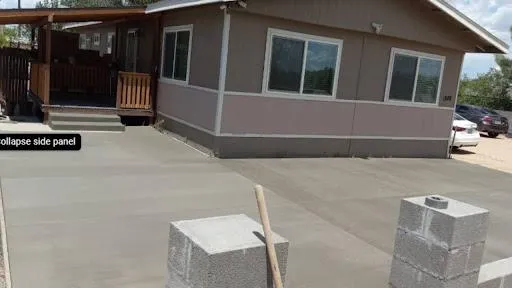
How Can I Prevent Common Issues With Concrete Surfaces?
To prevent common issues with concrete surfaces, ensure proper mixing and curing, apply a high-quality sealant, address cracks promptly, and maintain proper drainage to avoid water damage.
Concrete is a durable and versatile material used in a variety of construction projects, from driveways to foundations and decorative surfaces. However, it’s not immune to problems. Understanding common issues and knowing how to prevent them can help ensure your concrete surfaces remain in excellent condition for years to come.
This guide explores typical concrete problems and offers practical strategies for prevention. For high-quality concrete services, including repairs and leveling, contact the experts at Platinum Concrete Works.
Key Takeaways
Proper mix design and curing techniques are essential for preventing cracking.
Use air-entrained concrete and corrosion inhibitors to combat scaling and spalling.
Maintain adequate moisture levels to avoid surface crusting.
Avoid over-troweling and ensure adequate cement content to prevent dusting.
Consistent mixing and proper curing methods can prevent discoloration.
Employ vibration techniques and thorough compaction to prevent honeycombing.
Apply high-quality sealers and ensure proper drainage to mitigate efflorescence.
Maintain uniform moisture levels and install control joints to reduce curling.
Avoid trapping air and excess bleed water to prevent blistering.
Use low-alkali cement and conduct thorough testing to prevent ASR.
Common Concrete Issues and Prevention Strategies
1. Cracking
Causes: Cracks in concrete can arise from several factors, including shrinkage, settlement, and structural issues.
Prevention:
Proper Mix Design: Use a well-balanced mix to reduce shrinkage.
Curing Techniques: Implement adequate curing methods to ensure the concrete sets properly.
Control Joints: Install control joints to direct where cracks are likely to occur.
Subgrade Preparation: Prepare the subgrade correctly to provide even support and reduce settlement.
2. Scaling and Spalling
Causes: Scaling happens when the surface flakes off, often due to freeze-thaw cycles or improper finishing. Spalling involves the chipping away of the surface, frequently caused by corrosion of reinforcements.
Prevention:
Air-Entrained Concrete: Use air-entrained concrete in areas prone to freeze-thaw cycles.
Quality Sealer: Apply a high-quality sealer to protect against moisture penetration.
Corrosion Inhibitors: Use adequate concrete cover over reinforcements and apply corrosion inhibitors to prevent spalling.
3. Surface Crusting
Causes: Surface crusting results from improper finishing or rapid evaporation of moisture from the surface.
Prevention:
Fog Sprayers: Use fog sprayers or evaporation retardants during finishing.
Proper Curing: Maintain moisture levels with effective curing techniques to prevent crusting.
4. Dusting
Causes: Dusting occurs when the concrete surface becomes powdery, often due to poor mix design or over-troweling.
Prevention:
Adequate Cement Content: Ensure sufficient cement content in the mix to enhance surface strength.
Avoid Over-Troweling: Prevent over-troweling and ensure proper curing to maintain a strong surface.
5. Discoloration
Causes: Discoloration can result from inconsistent mixing or improper curing methods.
Prevention:
Consistent Mixing: Maintain consistent mixing and batching practices to avoid color variations.
Proper Curing: Use proper curing methods to ensure even hydration and consistent color.
6. Honeycombing
Causes: Honeycombing appears as voids in the concrete due to inadequate compaction.
Prevention:
Vibration Techniques: Use proper vibration techniques during placement to remove air voids.
Thorough Compaction: Ensure thorough compaction and proper formwork to eliminate voids.
7. Efflorescence
Causes: Efflorescence is a white powdery substance that appears on the surface due to water movement through the concrete.
Prevention:
High-Quality Sealer: Apply a high-quality sealer to block moisture and prevent efflorescence.
Proper Drainage: Implement proper drainage to avoid water accumulation and reduce efflorescence.
8. Curling
Causes: Curling occurs due to differential drying of the concrete slab, leading to edges or corners lifting.
Prevention:
Uniform Moisture Levels: Maintain uniform moisture levels during curing to prevent curling.
Control Joints: Install control joints to accommodate shrinkage and reduce curling.
9. Blistering
Causes: Blistering is characterized by raised bumps on the surface, often caused by trapped air or excess bleed water.
Prevention:
Avoiding Bleed Water: Begin finishing operations only after bleed water has evaporated.
Proper Mix Proportions: Use appropriate mix proportions to prevent dense mixes that trap air.
10. Alkali-Silica Reaction (ASR)
Causes: ASR is a chemical reaction between alkalis in cement and reactive aggregates, leading to expansion and cracking.
Prevention:
Low-Alkali Cement: Use low-alkali cement and non-reactive aggregates to minimize the risk of ASR.
Mix Design Testing: Conduct proper mix design and testing to identify and mitigate potential reactivity.
Concrete Maintenance Tips
Maintaining concrete surfaces is essential to ensure their longevity and performance. Regular maintenance practices help prevent damage, enhance durability, and keep your concrete looking its best. By incorporating a few simple steps into your routine, you can address common issues before they become significant problems. This guide covers key maintenance practices such as cleaning, sealing, and inspecting your concrete surfaces.
Maintenance Practices:
Regular Cleaning:
Use a mild detergent and water to clean concrete surfaces regularly. Avoid harsh chemicals that can damage the surface. For stubborn stains, a pressure washer may be effective, but use it cautiously to prevent damage.Sealing:
Apply a high-quality concrete sealer to protect the surface from moisture, stains, and UV damage. Sealers should be applied every 1-3 years, depending on traffic and environmental conditions.Inspection:
Regularly inspect your concrete for cracks, scaling, or other damage. Early detection allows for timely repairs, preventing more extensive damage and costly fixes.Prompt Repairs:
Address any signs of damage promptly. Small cracks can often be filled with a concrete repair product, while more significant issues might require professional assessment.Avoid Harsh Chemicals:
Avoid using de-icing salts or other harsh chemicals that can erode the surface. Opt for alternatives like sand or non-corrosive de-icers in winter.
DIY Concrete Repair vs. Professional Services
When dealing with concrete issues, homeowners often face the decision between attempting DIY repairs or hiring professional services. Each approach has its advantages and limitations, depending on the severity of the problem and the skill level required. Understanding the pros and cons of each can help you make an informed decision that best suits your needs and budget.
Comparison:
DIY Concrete Repair:
Cost-Effective: Typically less expensive than professional services, making it a viable option for minor repairs.
Flexibility: Allows you to tackle repairs on your own schedule.
Skill Level: Suitable for small cracks, minor surface repairs, and touch-ups. Requires a basic understanding of repair techniques and materials.
Limitations: May not be effective for larger issues or structural problems. Results might not be as durable or visually appealing.
Professional Services:
Expertise: Professionals have the knowledge and experience to handle complex issues, ensuring high-quality results.
Tools and Equipment: Access to specialized tools and materials for more efficient and effective repairs.
Durability: Professional repairs are often more durable and long-lasting, reducing the need for frequent fixes.
Cost: Higher initial cost compared to DIY, but can prevent further damage and costly repairs in the long run.
Choosing the Right Concrete Mix for Your Project
Selecting the appropriate concrete mix is crucial for ensuring the success of your project. Different mixes offer various properties that suit specific applications, environmental conditions, and load requirements. Understanding how to choose the right mix based on these factors can help you achieve optimal performance and durability for your concrete surfaces.
Selection Criteria:
Project Requirements:
Determine the intended use of the concrete, such as for driveways, foundations, or decorative elements. Each application may require different strength, durability, and finish characteristics.Climate Considerations:
Choose a mix that can withstand local climate conditions. For instance, air-entrained concrete is ideal for freeze-thaw cycles, while high-strength mixes are suited for heavy-load applications.Strength Requirements:
Select a mix with the appropriate compressive strength for your project. Strength is typically measured in psi (pounds per square inch) and varies based on the load and structural demands.Workability and Finish:
Consider the workability of the mix, especially for intricate forms or finishes. A well-balanced mix ensures ease of handling and a smooth final surface.Additives and Admixtures:
Evaluate the need for additives or admixtures that enhance specific properties, such as setting time, workability, or resistance to water and chemicals.
The Importance of Proper Curing Techniques
Proper curing is a critical step in the concrete process that significantly impacts the strength, durability, and longevity of the finished surface. Effective curing ensures that the concrete achieves its full potential and performs well over time. Understanding the importance of curing and employing the best practices can lead to superior results in your concrete projects.
Curing Techniques:
Moist Curing:
Keep the concrete surface moist by applying water regularly or using wet burlap or plastic sheeting. This method prevents the surface from drying too quickly, which can lead to cracking.Chemical Curing Compounds:
Apply curing compounds that form a film over the surface to retain moisture and prevent evaporation. These compounds are effective and convenient, especially for large areas.Avoid Early Traffic:
Ensure the concrete is fully cured before allowing foot or vehicle traffic. This helps avoid surface damage and maintains the integrity of the finish.Temperature Control:
Monitor and control the temperature during curing, especially in extreme conditions. Use insulation or heating blankets in cold weather and shade or cool water in hot weather to prevent rapid drying.Curing Duration:
Maintain curing for an adequate period, typically 7 days for most concrete mixes. Longer curing times may be required for specific applications or conditions.
Each of these topics provides valuable insights into maintaining and improving the quality of concrete surfaces, ensuring that they remain functional and aesthetically pleasing for years to come.
FAQs
1. What causes cracks in concrete surfaces?
Cracks in concrete can be caused by factors such as shrinkage, settlement, structural issues, or temperature changes. Proper mix design, curing techniques, and subgrade preparation can help prevent these cracks.
2. How can I prevent scaling and spalling of concrete?
To prevent scaling and spalling, use air-entrained concrete in freeze-prone areas, apply a quality sealer to protect against moisture, and ensure adequate cover over reinforcements with corrosion inhibitors.
3. What is surface crusting and how can it be avoided?
Surface crusting occurs due to improper finishing or rapid evaporation. To avoid this, use fog sprayers or evaporation retardants during finishing and maintain moisture levels through proper curing.
4. How can I address dusting on concrete surfaces?
Dusting results from poor mix design or over-troweling. Ensure adequate cement content in the mix and avoid over-troweling to enhance surface strength and durability.
5. What is efflorescence and how can I prevent it?
Efflorescence is a white powdery substance caused by water movement through the concrete. Prevent it by using a high-quality sealer and implementing proper drainage to avoid water accumulation.
Ensure Longevity and Beauty with Platinum Concrete Works
Maintaining your concrete surfaces is crucial for both functionality and aesthetics. By understanding common issues such as cracking, scaling, and discoloration, and implementing preventive measures, you can ensure your concrete remains in top condition. At Platinum Concrete Works, we bring over 10 years of experience in delivering exceptional concrete services, including repairs and leveling. Let us help you keep your concrete surfaces looking their best.
Don’t wait for problems to arise—contact us now for a free quote and let us handle your concrete needs with precision and excellence. Call us today and experience the platinum standard in concrete services!


